November 16, 2026
A brighter smile can be a meaningful cosmetic goal, but whitening should not come at the expense of healthy teeth and gums. Stains can develop from coffee, tea, wine, tobacco, aging, and other everyday factors, yet not every type of discoloration responds the same way to bleaching. That is why professional evaluation matters before treatment begins.
At Wilson Family Dental in Roseburg, Oregon, we offer in-office whitening and custom take-home bleaching trays. Professional dental teeth whitening provides dental supervision, individualized treatment, and an opportunity to address oral health concerns before focusing on shade improvement.
Start With a Dental Evaluation
Whitening works best when the dentist understands why the teeth appear discolored and whether the mouth is healthy enough for treatment. Cavities, cracked teeth, gum inflammation, exposed roots, worn enamel, and other conditions can affect comfort or change the treatment plan.
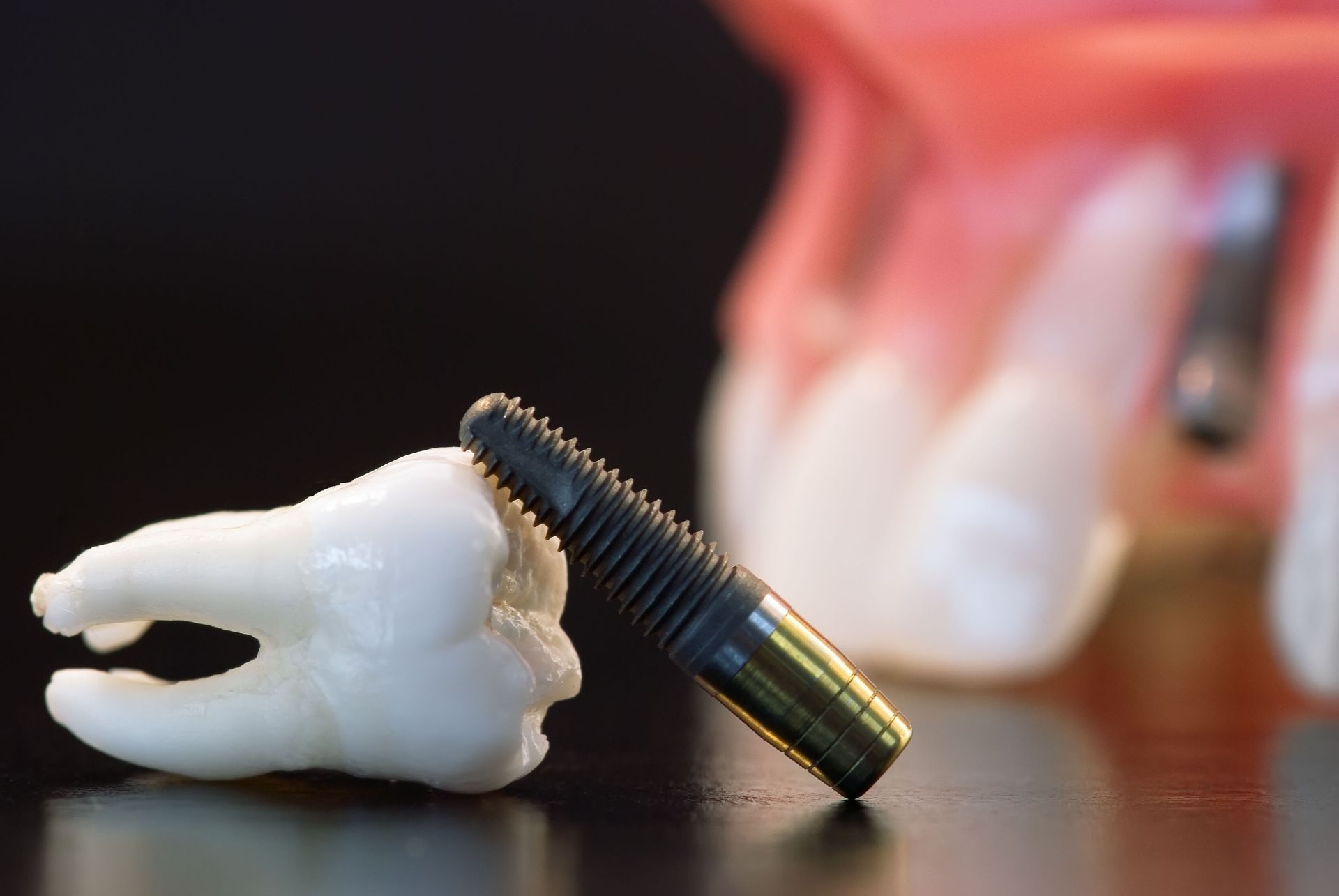
A dental exam can identify crowns, veneers, bonding, fillings, or implants that will not whiten like natural teeth. The American Dental Association notes that tooth-colored restorations generally do not change color with bleaching. Knowing where restorations are located helps set realistic expectations.
Wilson Family Dental provides comprehensive exams, X-rays, oral cancer screening, hygiene care, restorative dentistry, and other services that can help establish a healthy foundation before cosmetic treatment.
Understand What Whitening Can and Cannot Change
Professional whitening can reduce many stains, but it cannot correct every cosmetic concern. Some discoloration responds well, while certain intrinsic stains can be more resistant. Whitening also does not change tooth shape, repair chips, close spaces, or alter existing restorations.
That distinction matters when a patient is deciding between whitening, veneers, bonding, crowns, or another cosmetic option. A dentist can explain what the whitening process is likely to improve and where another treatment may be needed to reach the desired result.
Setting expectations before treatment helps patients avoid overusing whitening products in pursuit of a result bleaching cannot realistically provide.
Choose Between In-Office and Take-Home Options
Professional dental teeth whitening can include more than one approach. In-office treatment uses whitening agents under direct supervision and may suit patients seeking faster results. Dentist-provided take-home systems use custom trays and prescribed gel applied according to instructions.
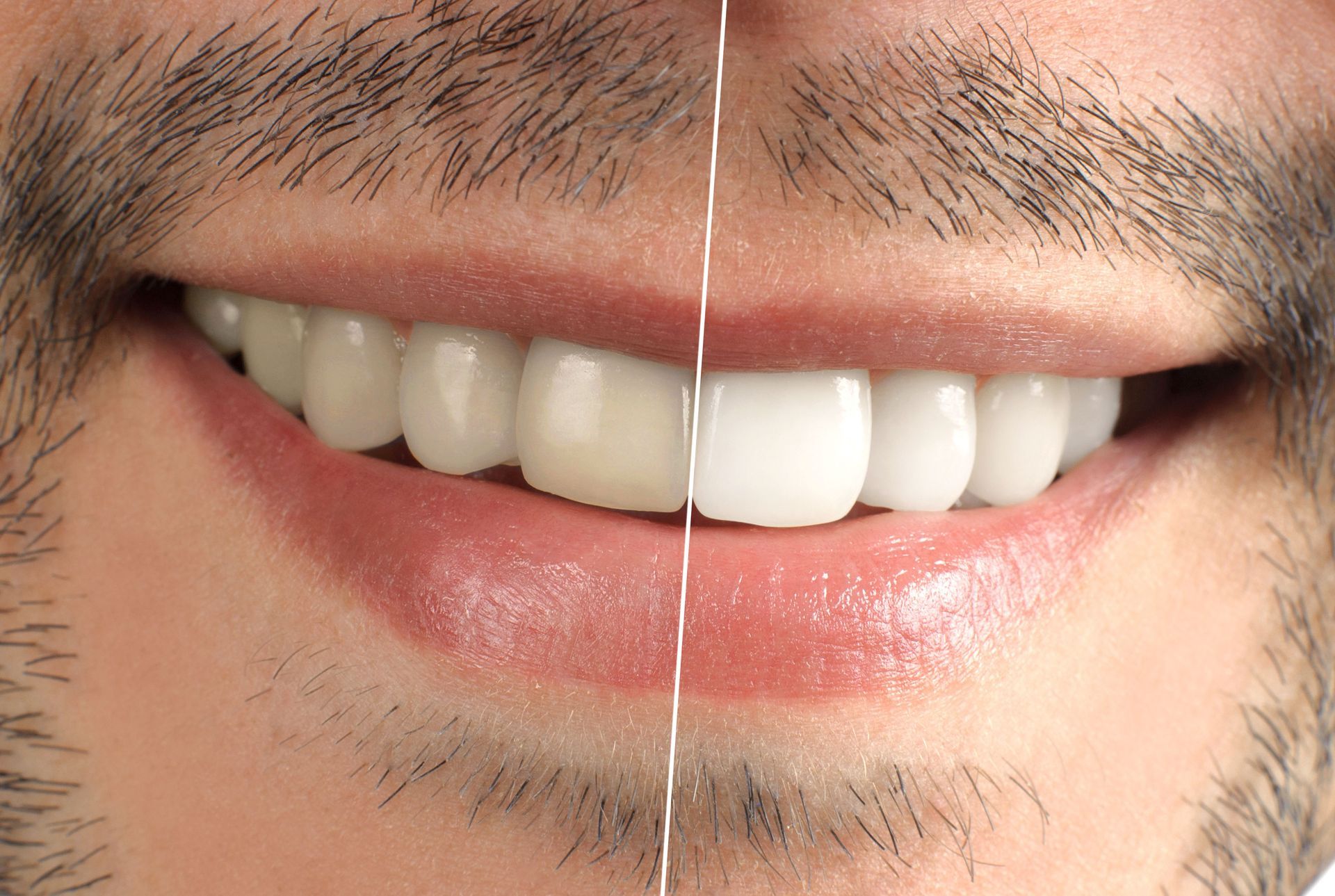
According to the American Dental Association, in-office teeth bleaching can brighten teeth by three to eight shades after 30 to 60 minutes. Results vary by starting shade, type of stain, treatment system, and individual response, so a specific shade change cannot be guaranteed for every patient.
Wilson Family Dental offers both in-office whitening and custom bleaching trays, allowing patients to discuss which method better matches their goals, timeline, and sensitivity concerns.
Protect the Gums During Whitening
Peroxide-based whitening agents are designed to interact with tooth structure, but contact with soft tissue can cause temporary irritation. Professional treatment allows the dental team to use barriers, carefully control placement, and monitor the mouth during the procedure.
Custom take-home trays can help limit unnecessary contact between whitening gel and the gums when properly fitted and used as directed. Applying more product than recommended does not necessarily improve results and may increase irritation.
Patients should report burning, significant discomfort, swelling, or other unexpected reactions rather than continuing treatment without guidance.
Plan for Temporary Tooth Sensitivity
Tooth sensitivity is a common side effect of bleaching. The ADA describes sensitivity and gingival irritation as common adverse effects, with sensitivity usually temporary. The likelihood can vary with peroxide concentration, treatment time, and dental history.
A dentist can ask about existing sensitivity before treatment and adjust the approach when appropriate. That may involve changing the concentration, modifying the schedule, or recommending products intended to help manage sensitivity.
This is one advantage of dental teeth whitening performed with professional guidance. If discomfort develops, the treatment can be reconsidered based on the patient's response instead of simply continuing a fixed over-the-counter routine.
Compare Professional Care With Store-Bought Products
Whitening strips, toothpastes, gels, and other over-the-counter products can be convenient, but they are not the same as supervised treatment. Consumer products cannot diagnose the cause of discoloration or account for individual oral health needs.
Whitening toothpastes primarily help remove surface stains through abrasive ingredients, while peroxide-based products can chemically lighten teeth. Results and side effects vary widely depending on the product and how it is used.
Professional care is particularly useful when a patient has restorations, sensitivity, gum concerns, uneven discoloration, or uncertainty about whether bleaching is appropriate. The goal is not simply to use a stronger product, but to choose a method that fits the patient's mouth.
Whiten Healthy Teeth Rather Than Masking a Problem
A tooth that changes color may not simply have surface staining. Trauma, decay, internal changes, or previous dental treatment can alter color. Bleaching without understanding the cause could delay needed care.
Before dental teeth whitening, a dentist can determine whether discoloration appears cosmetic or whether an examination, X-ray, restorative treatment, or another type of care should come first. This health-first approach is especially important when a single tooth changes color or discoloration appears alongside pain, swelling, sensitivity, or damage.
Cosmetic treatment should complement oral health rather than replace diagnosis or necessary dental treatment.
Maintain Results With Everyday Habits
Whitening is not permanent because teeth continue to encounter stain-causing foods, drinks, and habits. Coffee, tea, red wine, and tobacco may contribute to discoloration over time. Good oral hygiene and professional cleanings can help control surface buildup.
After treatment, follow the instructions provided by the dental team. Maintenance may include brushing with a suitable toothpaste, flossing daily, limiting staining habits, and using custom trays for touch-ups only when recommended.
Patients should also continue routine dental visits. Whitening can improve color, but it does not prevent cavities, gum disease, cracked teeth, or other oral health concerns.
Coordinate Whitening With Other Cosmetic or Restorative Work
The timing of whitening can matter when a patient is considering crowns, veneers, bonding, or other restorations. Because restorative materials do not bleach like natural enamel, a dentist may recommend whitening first so future restorations can coordinate with the new shade.
Wilson Family Dental provides cosmetic and restorative services, including veneers and CEREC crowns made in the office. Coordinating these treatments can help create a more consistent appearance while still addressing the functional needs of damaged or weakened teeth.
When planning more than one procedure, ask:
- What is causing the discoloration? Determine whether bleaching is likely to address the concern.
- Are the teeth and gums healthy? Treat active dental problems before elective whitening when appropriate.
- Are restorations visible? Remember that crowns, veneers, and fillings will not whiten.
- How sensitive are the teeth? Discuss previous sensitivity before choosing a whitening approach.
- What other cosmetic work is planned? Coordinate the order of treatments to support a consistent result.
Choose Professional Whitening With Oral Health in Mind
A brighter smile does not require ignoring dental health. A careful approach begins with evaluating the teeth and gums, identifying discoloration, reviewing restorations, and choosing an appropriate whitening method. Professional supervision also provides support if sensitivity, irritation, or unexpected results develop.
Wilson Family Dental has served Roseburg families since 2015 and brings more than 20 years of dental experience to general, cosmetic, restorative, periodontal, emergency, and surgical care. We offer in-office whitening, custom take-home trays, same-day CEREC crowns, emergency appointments with minimal waiting, and a $100 new-patient exam and X-ray offer for qualifying cash or check patients. Most insurances are accepted, and CareCredit is available.
If you are considering dental teeth whitening, contact Wilson Family Dental to schedule an evaluation. Our team can review your oral health, discuss your cosmetic goals, explain in-office and take-home options, and help you decide whether professional dental teeth whitening is an appropriate way to brighten your smile while keeping the health of your teeth and gums at the center of the plan.